
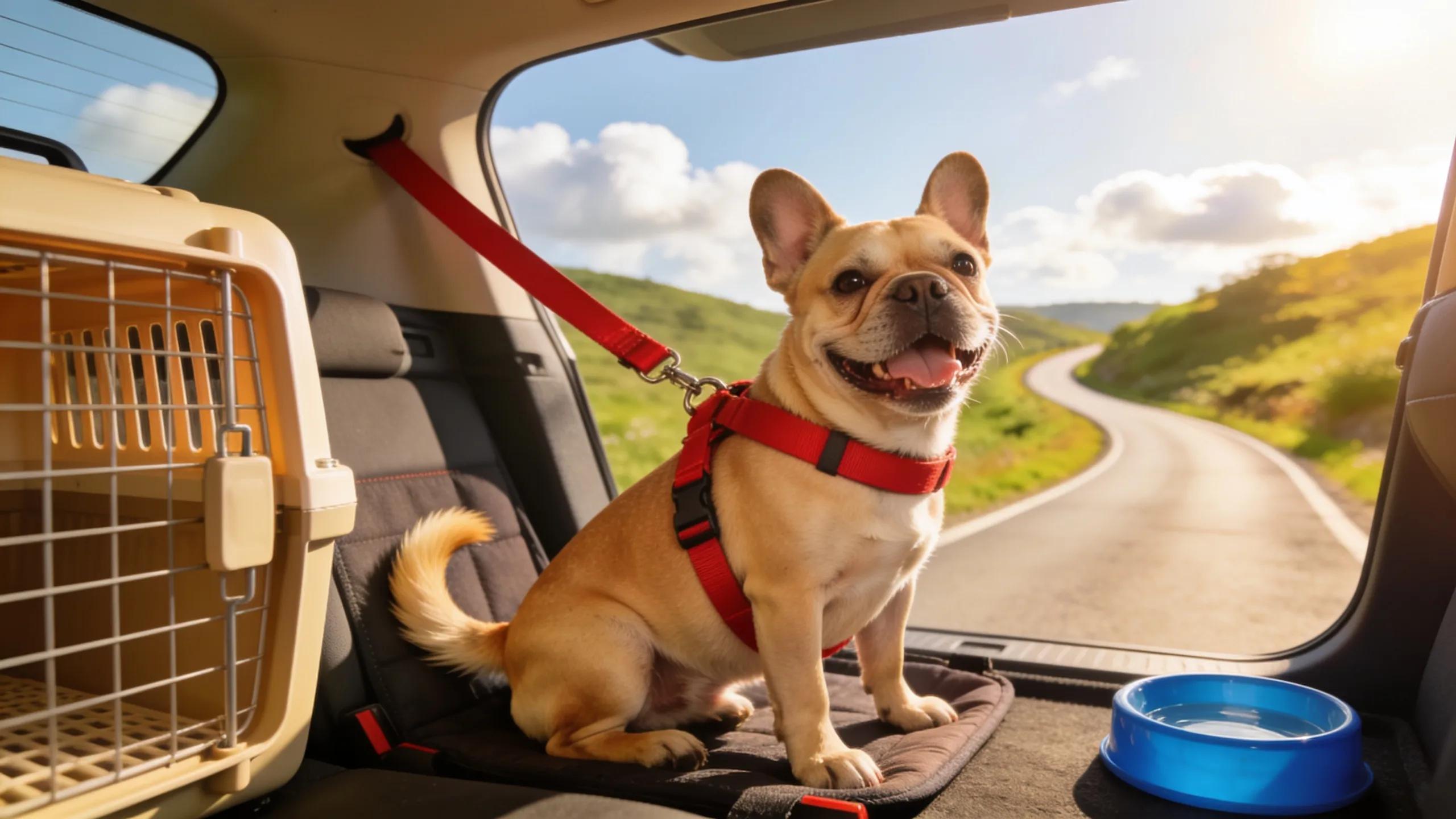
Traveling with your French Bulldog can be an exciting adventure, but ensuring their safety and comfort is crucial. French Bulldogs are known for their loving and friendly nature, making them wonderful companions on road trips. This comprehensive guide provides valuable insights into seat belt safety, crate selection, managing motion sickness, and planning rest stops effectively. Understanding how to properly secure your French Bulldog can help alleviate common concerns, such as motion sickness and discomfort during travel. Throughout this article, we will explore key strategies to enhance your travel experience while ensuring that your Frenchie is safe and happy. We will cover essential “seat belt safety”, how to choose the right crate, effective measures to manage motion sickness, and how to plan rest stops to optimize your pooch’s well-being.
Essential Seat Belt Safety
Effective car safety is paramount when traveling with a French Bulldog. Securing your dog with an appropriate safety harness or pet seat belt can significantly reduce the risk of injury during an accident. A proper restraint system not only keeps your pet secure but also prevents distractions while driving. Unsecured pets can cause accidents by moving around or distracting the driver. Therefore, using a French Bulldog car safety harness is essential for safe travel.
In addition to safety, it’s important to familiarize your dog with seat belt use. This creates a positive association with the harness and can help reduce anxiety during car rides. If you’re considering adopting a French Bulldog, remember that reputable breeders and shelters can provide you with a loving pet who will be both a wonderful companion and a traveling buddy.
Crate Selection

Choosing the right crate is a crucial aspect of traveling safely with your French Bulldog. The ideal travel crate should be durable, well-ventilated, and appropriately sized for your dog. An excellent crate allows your pet to turn around comfortably and lie down without feeling cramped. Selecting a crate made from “sturdy materials” ensures that it can withstand the wear and tear of traveling, providing a safe space for your dog throughout the journey.
What Size and Material Considerations Optimize Crate Safety and Comfort?
When selecting a crate, consider the following aspects to ensure both safety and comfort:
- Size: The crate must be large enough for your French Bulldog to stand, turn around, and lie down comfortably.
- Material: High-quality plastic or metal crates offer durability and security.
- Ventilation: Proper ventilation is necessary to keep your dog comfortable, especially during longer trips.
With the right crate, your French Bulldog will have a cozy place to rest while you travel.
What Is the Best Practice for Crate Training Before Road Trips?
Crate training is essential for ensuring that your French Bulldog feels safe and secure in their crate during travel. Here are key practices to follow:
- Familiarization: Allow your dog to explore the crate at home and create a positive association with treats and toys.
- Training Timeline: Start training weeks in advance to help your dog transition smoothly to crate use while traveling.
- Positive Reinforcement: Reward your French Bulldog with treats and praise each time they enter the crate.
This training will not only make traveling easier but will also help reduce anxiety during the journey.
Motion Sickness Management

Many French Bulldogs can experience motion sickness during car rides, leading to discomfort and anxiety. Recognizing the signs early can help you effectively manage their condition. Symptoms of motion sickness typically include panting, restlessness, and drooling.
What Symptoms Indicate Motion Sickness in French Bulldogs During Car Travel?
Identifying motion sickness in your French Bulldog is crucial for ensuring their comfort. Common signs include:
- Nausea: Excessive licking of lips or whining.
- Restlessness: Difficulty settling down in the car.
- Drooling: Increased saliva production can indicate anxiety or sickness.
Understanding these symptoms enables you to take timely corrective action, ensuring a smoother ride for your furry friend.
Planning for Rest Stops
Regular rest stops during long car trips are essential for your French Bulldog’s health and comfort. Not only do they provide opportunities for bathroom breaks, but rest stops also allow your dog to stretch and relieve any potential discomfort from sitting in a crate or harness for too long.
What Rest Stop Frequency and Duration Optimize French Bulldog Well-being?
When planning rest stops, consider these recommendations:
- Frequency: Aim for rest stops every 2–3 hours to allow your French Bulldog to relieve themselves and get some exercise.
- Duration: Keep stops brief, ideally lasting around 15-30 minutes, depending on your dog’s needs.
- Hydration: Always offer fresh water to your dog during breaks to keep them hydrated.
By adhering to these guidelines, you will ensure that your French Bulldog remains healthy and happy throughout the trip.
Which Facilities and Activities at Rest Stops Support Safe and Comfortable Breaks?
Choosing dog-friendly rest stops ensures a pleasant experience for your French Bulldog. Look for locations that provide:
- Open Spaces: Areas for your dog to run and stretch their legs.
- Water Stations: Availability of fresh water for rehydration.
- Pet-Friendly Amenities: Such as designated dog areas to play or relief stations.
Utilizing these facilities will enhance your dog’s travel experience, making for a more enjoyable adventure together.