
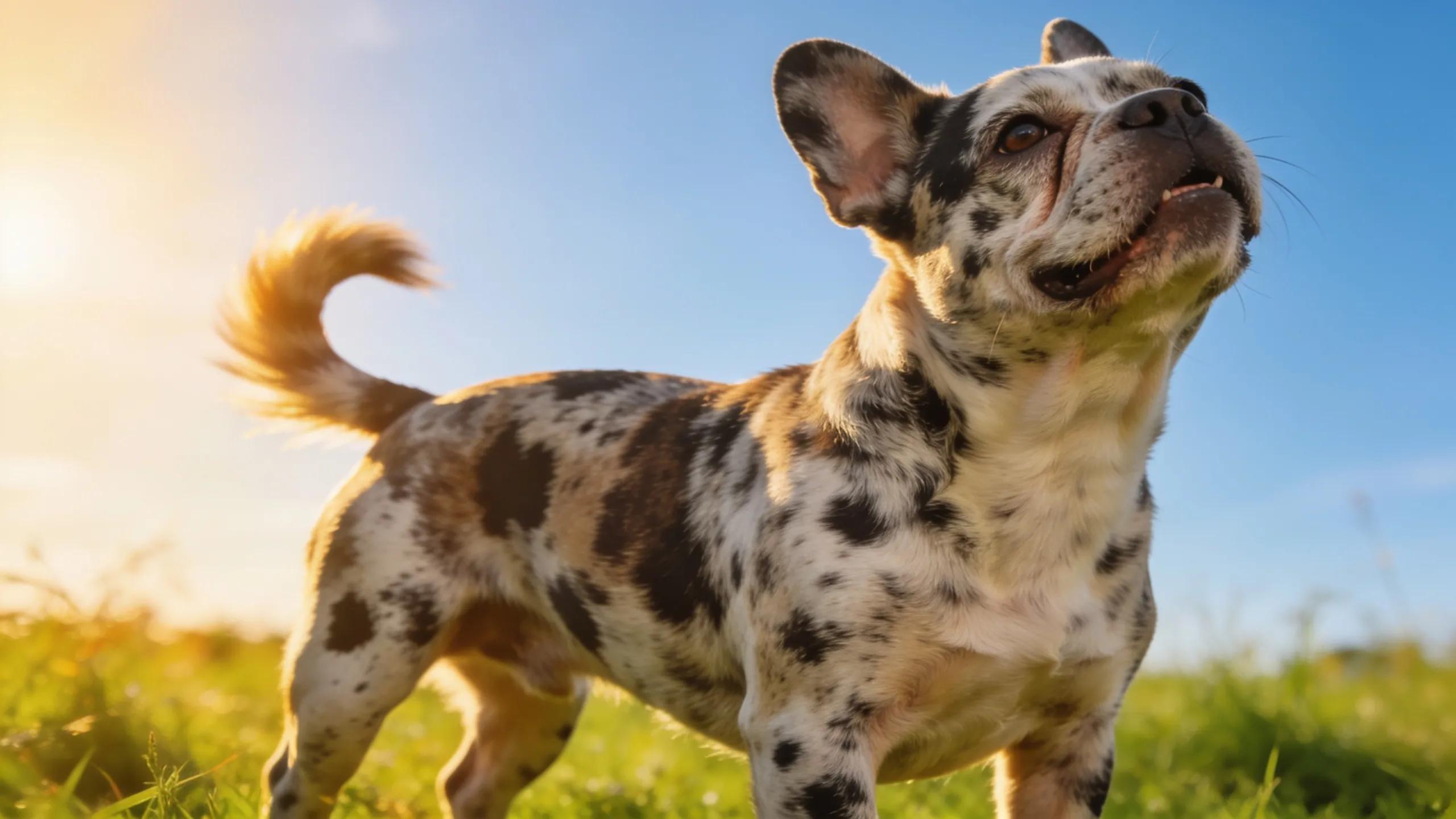
Merle French Bulldogs are captivating due to their unique coat patterns influenced by the complex “M-locus genetics”, which plays a pivotal role in determining not only appearance but also health risks associated with certain color variations. In this guide, readers will gain a thorough understanding of how M-locus genetics affects Merle coat patterns, the health implications of double Merle breeding, and the best practices for caring for these animals. Many potential owners may face challenges navigating the intricacies of Merle genetics and the associated health concerns; however, through this article, we aim to equip dog enthusiasts with essential knowledge and responsible adoption practices. We will explore the genetics of M-locus, health risks of double Merles, caring techniques, and the adoption process at Saratoga Kennel LLC.
What Is the M-Locus Gene and How Does It Determine Merle Coat Patterns in French Bulldogs?
The M-locus gene is a critical determinant of the merle coat pattern in French Bulldogs, influencing the distribution and variation of the merle coloration. This gene operates through a complex mechanism where specific alleles control varying degrees of pigmentation, ultimately producing the unique spotted appearance characteristic of merles. Understanding this genetic mechanism is essential for breeders aiming to produce healthy puppies while being aware of the risks associated with Merle patterns. Merle patterns are more than just aesthetics; they can significantly influence the dog’s health and temperament.
How Does M-Locus Inheritance Affect Merle Pattern Variations?
The inheritance of the M-locus gene follows a straightforward Mendelian pattern where the presence of the merle allele can produce varied manifestations depending on its pairing with non-merle or other merle alleles. Different inheritance patterns result in diverse merle variations, including the classic merle and the double merle. Recognizing these patterns helps breeders make informed decisions to mitigate potential health issues that arise from undesirable genetic combinations.
Which Coat Color Variants Arise from M-Locus Alleles in French Bulldogs?
The coat color variants possible through M-locus alleles in French Bulldogs are distinctly captivating. Common variants include the blue merle, chocolate merle, and lilac merle, each presenting unique attributes and appearance. These variations not only affect the look of the breed but also have genetic implications that can influence health and breeding practices. Understanding this genetic diversity is crucial for responsible breeding and ownership.
What Are the Health Risks Associated with Double Merle French Bulldogs?

Double merle French Bulldogs, resulting from breeding two merle-colored dogs, present increased health risks primarily due to genetic factors linked to this trait. Responsible breeders must recognize these risks to prevent potential suffering in puppies.
What Are the Specific Medical Conditions Linked to Double Merle Phenotype?
Double merle phenotype is associated with several serious medical conditions. Commonly reported issues include blindness and deafness, arising from the lack of pigmentation in critical areas of the dog’s sensory systems. Studies indicate that approximately 25% of double merle puppies are likely to be affected by such health conditions, making it imperative for prospective owners to conduct thorough research before “adoption”, which can provide further clarity on navigating these genetic realities.
How Do Genetics Influence the Probability of Double Merle Health Issues?
Genetics dramatically influence the probability of health issues in double Merle French Bulldogs. The interaction of alleles responsible for pigmentation can lead to a higher likelihood of occlusive conditions like blindness or deafness. Understanding the genetic background thus emphasizes the importance of not only choosing the right breeding pair but also being vigilant about potential health outcomes.
What Are Best Practices for Caring for Merle French Bulldogs?

Caring for Merle French Bulldogs requires understanding both their unique needs and potential health issues linked to their coat genetics. Owners must ensure these dogs receive proper healthcare and attention to thrive.
What Veterinary Recommendations Support Merle French Bulldog Health?
Veterinarians typically recommend regular checkups, specialized diets, and early socialization to ensure the well-being of Merle French Bulldogs. Regular veterinary visits play a crucial role in monitoring for any emerging issues related to their unique genetic predispositions. Veterinarians may also advise on eye and hearing tests given the higher risks associated with double merles.
How Should Owners Manage Health Risks Specific to Merle Coat Genetics?
To manage health risks, owners should be proactive in identifying potential signs of auditory or visual impairment in their Merle French Bulldogs. Early intervention is critical; thus, parents should monitor behavior closely and consult veterinarians if any concerns arise. Additionally, engaging in ongoing education about the breed and its genetic risks will enhance responsible ownership practices.
How Does the Puppy Reservation and Adoption Process Work at Saratoga Kennel LLC?
At Saratoga Kennel LLC, the adoption process for Merle French Bulldogs is designed to ensure responsible placements and informed decisions. Potential adopters are guided through a comprehensive experience aimed at educating them on M-locus genetics and proper care procedures.
What Genetic Disclosures Are Provided During Puppy Reservation?
During the puppy reservation process, Saratoga Kennel LLC provides extensive genetic disclosures that illuminate any potential health concerns related to Merle coloration. These disclosures ensure that families understand the genetic background and health guarantees associated with their chosen puppy, promoting responsible ownership.
How Can Potential Adopters Ensure Responsible Merle French Bulldog Acquisition?
Potential adopters can ensure responsible acquisition by asking detailed questions regarding genetic histories and health screenings before committing to a puppy. Engaging with breeders who prioritize health and transparency in their breeding practices is essential. By adhering to these guidelines, prospective owners will be better prepared for the commitment associated with welcoming a “Merle French Bulldog” into their home.