
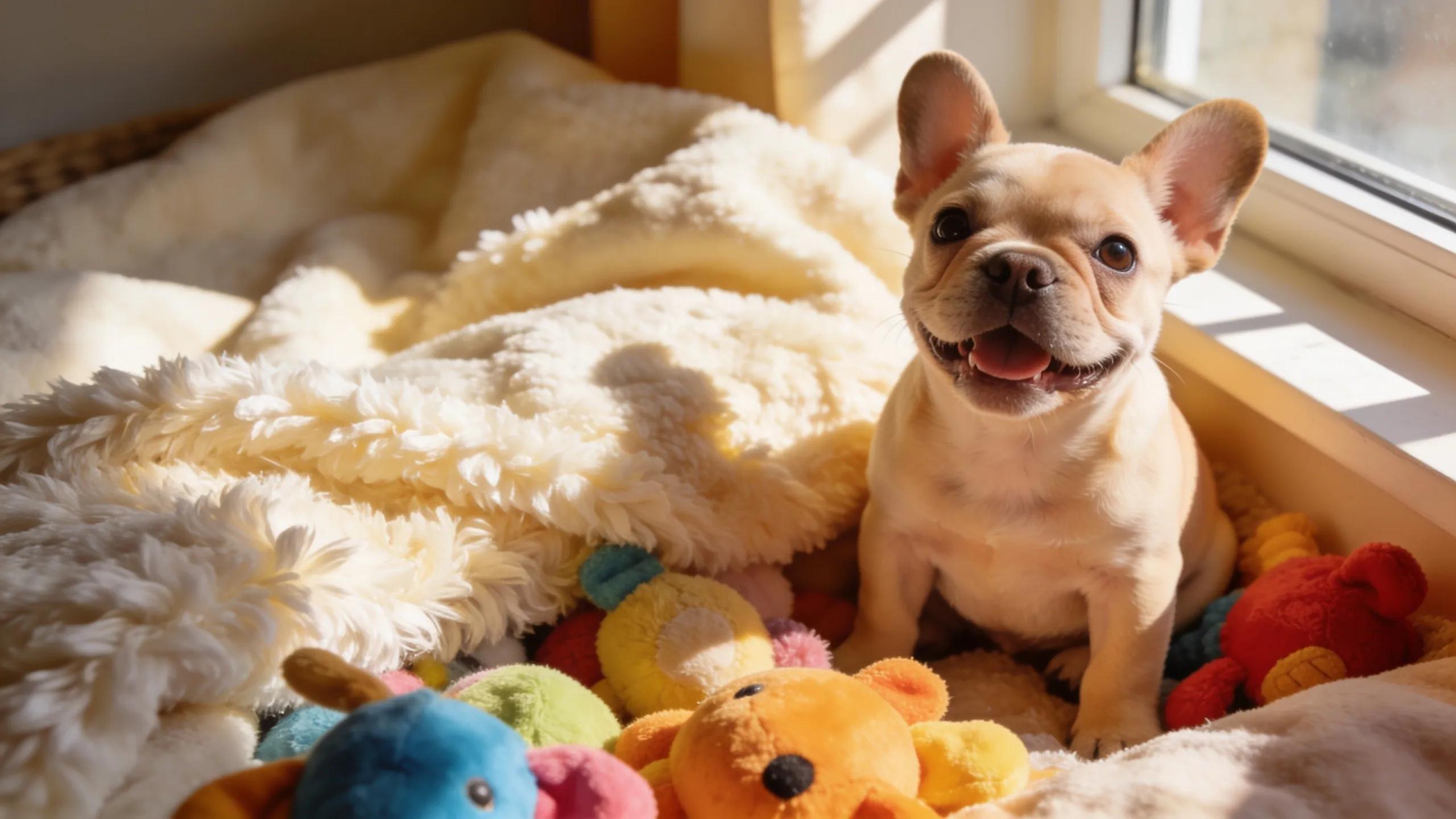
Welcoming a French Bulldog puppy into your home is an exciting and rewarding experience. Understanding the crucial “wellness milestones” and the care needed during the early weeks will set the foundation for a healthy and happy life. This comprehensive guide offers a week-by-week checklist for new adopters, containing essential insights into health tracking, socialization, and care strategies necessary for optimal development. By focusing on French Bulldog wellness and related milestones, you’ll be equipped to monitor your puppy’s growth effectively.
Throughout this article, we will explore key aspects of French Bulldog wellness, addressing topics like physical growth, behavioral development, vaccination schedules, socialization practices, and nutrition guidelines. Our goal is to empower you, the new puppy owner, with the knowledge to raise a well-adjusted canine companion. Each week brings new challenges and achievements, and being prepared can foster not just a loving home but a thriving puppy.
What Are the Key Week-by-Week Development Stages of a French Bulldog Puppy?
Understanding the developmental milestones of a French Bulldog puppy is crucial for ensuring their well-being. From physical growth to behavioral changes, tracking these stages lays the groundwork for a healthy upbringing. Recognizing these milestones also helps you understand when to reserve a puppy from a reputable breeder, where expert guidance is offered throughout the adoption process.
How Does Physical Growth Progress During the First 8 Weeks?

During the first eight weeks, French Bulldog puppies undergo rapid physical changes. Typically, they should gain weight consistently, reflecting their nutritional intake and overall health. Here are some growth factors to monitor:
- Weight Gain: After birth, a healthy puppy will gain around 5-10% of its body weight daily, indicating proper feeding and nutrition.
- Mobility: Puppies begin to stand and walk at around three weeks, showcasing their physical development and muscle strength.
- Coordination: By eight weeks, your puppy should exhibit better balance and the ability to engage with their surroundings actively.
These early developmental milestones are influential in helping you prepare for additional responsibilities and care routines.
What Behavioral and Neurological Milestones Should Be Expected Up to 16 Weeks?
Behavioral and neurological development in French Bulldogs can be fascinating to observe. During the first 16 weeks, puppies will go through significant changes, which include:
- Social Awareness: By six weeks, puppies start showing interest in their littermates and begin learning social behaviors and cues.
- Basic Training: By eight weeks, they can start training and learning basic commands like “sit” and “stay,” which are essential for well-adjusted behavior.
- Comprehension of Interactions: As they approach 16 weeks, they will exhibit different types of play and interaction, indicating improved cognitive function and social skills.
Understanding these milestones can aid in selecting the right time to engage with the puppy reservation process, allowing for early “socialization”.
What Is the Recommended Puppy Vaccination Timeline for French Bulldogs?
Vaccinations play an essential role in the health and longevity of your French Bulldog puppy. Adhering to a reliable vaccination schedule protects your puppy from preventable diseases and promotes a healthy immune system.
Which Vaccines Are Essential During the First 12 Weeks?
The core vaccines recommended for French Bulldog puppies during their first 12 weeks typically include:
- Distemper: Administered around 6-8 weeks of age to protect against a severe viral disease.
- Parvovirus: This vaccine is crucial and is usually given at the same time as the distemper shot.
- Adenovirus (Canine Hepatitis): First administered when the puppy is between 6-12 weeks old for liver protection.
These vaccinations lay the foundation for lifelong immunity and are critical to a puppy’s health. Considering these aspects can also be beneficial when reserving a puppy in advance through a reputable breeder, as they prepare for health check-ups.
How Should Health Tracking and Medical Monitoring Be Conducted Post-Vaccination?
Post-vaccination health monitoring is essential in ensuring your puppy’s well-being. New puppy owners should observe for any signs of adverse effects, which may include mild fever or tenderness at the injection site. Recommended practices include:
- Regular Check-ups: Scheduling vet visits every 3-4 weeks until they are around 16 weeks old ensures all health monitoring is timely and efficient.
- Tracking Symptoms: Keeping a diary of any symptoms observed can help veterinarians provide the best guidance if issues arise.
- Immunization Record: Maintaining a record of vaccinations and vet visits, which can be invaluable for future health needs.
Establishing a solid “health tracking” method will help promote your puppy’s long-term health.
How Should Socialization and Behavioral Development Be Structured for French Bulldog Puppies?

Socialization is foundational for developing a well-rounded, balanced puppy. Engaging in various structured activities will support positive behaviors and minimize fear-based reactions in unfamiliar settings.
What Are Effective Socialization Activities Between 3 and 12 Weeks?
Implementing effective socialization activities from an early age aids in behavioral development. Activities may include:
- Exposure to Environments: Gradually introducing your puppy to different environments enhances their adaptability.
- Meeting Other Dogs: Supervised play dates encourage healthy interactions with fellow canines, promoting social skills.
- Training Classes: Enrolling in puppy classes can provide structured training and social experiences in a controlled environment.
These activities foster a positive attitude, which is essential for a well-socialized adult dog.
How Does Crate Training Integrate Into Early Socialization Schedules?
Crate training can effectively support socialization and behavioral development. Key benefits include:
- Safe Haven: A crate serves as a personal space, where puppies can retreat for rest and comfort.
- Housebreaking Aid: It helps with house training as puppies learn to hold their bladder when in their crate.
- Travel Safety: Early crate training prepares puppies for car rides, fostering calmer traveling experiences.
This structured approach will develop habits that contribute positively throughout their life.
What Are the Best Practices for Nutrition and Feeding Guidelines During French Bulldog Puppy Growth?
Nutritional practices during puppy development are paramount to supporting healthy growth and well-being. Understanding what your puppy requires will equip you to provide the best care.
What Nutritional Components Support Optimal Growth in French Bulldog Puppies?
Proper nutrition involves specific components to ensure dynamic growth. Key nutrients include:
- High-Quality Proteins: These support muscle development and should be the primary ingredient in your puppy’s food.
- Healthy Fats: Essential fatty acids promote brain health and physical energy.
- Vitamins and Minerals: These micronutrients support overall immune function and development.
Transitioning to an appropriate puppy diet curated by a nutritionist or through reputable brands helps advocate growth milestones effectively.
How Should Feeding Schedules Adjust According to Weekly Development Milestones?
Feeding schedules should adapt as puppies grow. It is recommended to follow these guidelines:
- 4 Meals a Day: For the first 3 months, feeding four smaller meals ensures adequate energy and nutrition for high activity levels.
- 3 Meals a Day: Transitioning to three meals per day between 3-6 months supports their developing appetite.
- 2 Meals Per Day: From six months onward, switching to two meals a day reflects mature feeding habits.
These adjustments will bolster your puppy’s metabolism and growth trajectory, ensuring consistent energy without the risk of obesity.