
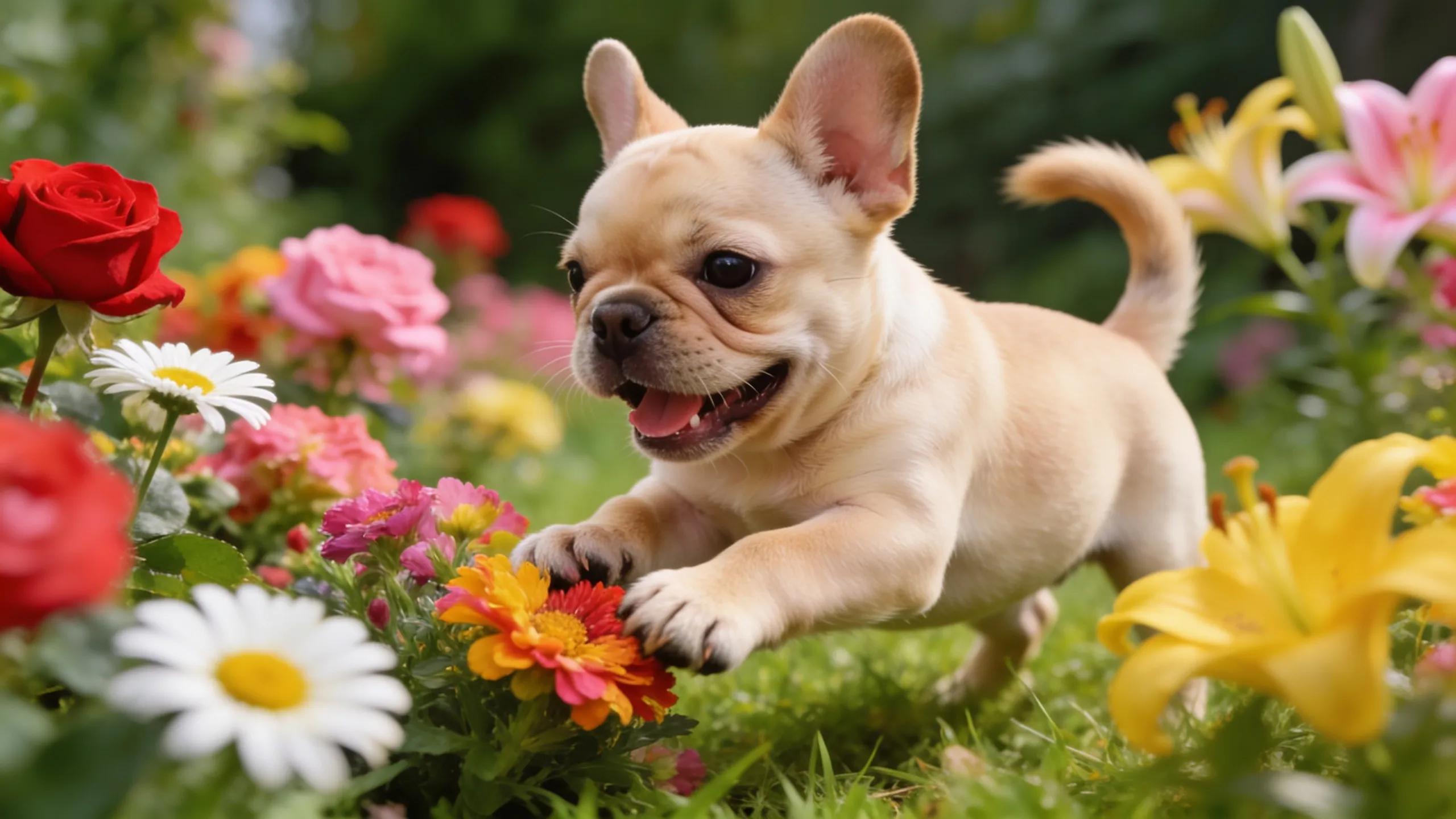
Ethical breeding of French Bulldogs focuses on maintaining the health and integrity of the breed while catering to the desires for rare color options. This comprehensive guide details the best practices for breeding these affectionate and playful dogs, ensuring responsible ownership through their breeding and adoption processes. Understanding the significance of genetic diversity and ethical standards is essential for prospective breeders and adopters alike. This article will delve into critical topics, including the preparation for breeding, the breeding process itself, and caring for the puppies post-birth, while also highlighting the important ethical considerations for breeders. Additionally, we will address the genetics behind rare color options and provide an overview of the steps involved in adopting or reserving a French Bulldog puppy.
Understanding the French Bulldog
The French Bulldog is a small breed known for its distinctive bat-like ears and muscular build. Originating in England as a miniature version of the bulldog, this breed was later developed in France, where it gained popularity among lace workers. French Bulldogs are celebrated for their affectionate nature, playful demeanor, and adaptability, making them excellent companions for families and individuals alike. They typically thrive in both urban and rural settings, showcasing a charming mixture of endearment and ruggedness. These dogs possess a unique sociable and friendly spirit that makes them a preferred pet choice for many.
Preparing for Breeding

Effective breeding requires considerable preparation, ensuring that both the dogs involved are healthy and compatible. The first step in this process is to conduct thorough health checks, which can identify any underlying genetic problems that could affect the puppies’ health. Additionally, selecting breeding pairs that complement each other is crucial; breeders should consider temperament, size, and genetic history. Genetic screening is also important, as it helps to mitigate the risk of hereditary diseases. Responsible breeders prioritize not only the appearance but also the overall well-being of the breed by carefully selecting breeding pairs.
The Breeding Process
When it comes to breeding French Bulldogs, there are various methods available, each with its own advantages. Natural mating and artificial insemination are the most common approaches. Natural mating should take place when the female is in heat, which usually occurs twice a year, while artificial insemination provides a viable alternative if natural mating isn’t feasible. Timing is critical during this phase, as identifying the perfect moment for breeding can significantly impact success rates. It is also essential to monitor the female’s heat cycles to optimize the chances of conception.
Modern reproductive techniques have refined the way breeders approach the fertilization process.
Best Practices for Canine Artificial Insemination and Breeding
Over time, our understanding of canine reproductive physiology has improved, and so too has our ability to perform artificial insemination. Factors influencing the success rate of artificial insemination include the timing of insemination relative to ovulation, the quality of the semen used, and the site of semen deposition within the reproductive tract. Evidence‐based practice in canine artificial insemination, CJ Joonè, 2024
Pregnancy and Birth
After a successful mating, the signs of pregnancy in French Bulldogs can be subtle but detectable. Most females will show behavioral changes and physical signs within a few weeks of conception. Preparing a safe and comfortable whelping area is crucial for the health of the mother and her pups. Providing a quiet space with access to fresh water and food will help the mother feel secure. Regular veterinary check-ups throughout the pregnancy ensure that both the mother and her puppies are healthy, reducing the likelihood of complications during birth.
Caring for the Puppies

Caring for newborn puppies is a demanding but rewarding process that requires significant attention and care. Ensuring that both the mother and puppies have adequate nutrition is vital, particularly in the early weeks of life. The mother’s diet should be rich in nutrients, while the puppies should receive proper nursing to support their growth. Early socialization and basic training should also begin shortly after birth, as this will help shape their behavior as they grow. Monitoring the puppies’ health regularly is essential to address any issues promptly, contributing to their overall well-being.
Ethical Considerations
Breeding French Bulldogs ethically involves adhering to standards that prioritize the animals’ health and welfare. Ethical practices include avoiding overbreeding and ensuring they find suitable homes for all puppies. It is critical for breeders to educate potential buyers on the responsibilities of pet ownership, ensuring that adopters are well-prepared for their new companion. By following individual breeding ethics, breeders can maintain and celebrate the integrity of the French Bulldog breed while providing valuable animals to families.
It is important for all breeders to weigh the popularity of the breed against the potential welfare impacts of selective breeding.
Ethical Considerations in Breeding Fashionable Brachycephalic Dogs
Ethical concerns arise from breeding brachycephalic breeds, such as the French Bulldog, British Bulldog and Pugs, due to their health and welfare issues, yet these breeds continue to increase in popularity. Selective breeding can have a significant impact on the behavior of animals, and there is a growing need to balance desired morphological traits with the overall health and integrity of the breed. Ethical concerns about fashionable dog breeding, DJ Menor-Campos, 2024
Common Challenges and Solutions
Like all breeds, French Bulldogs face certain health and behavioral challenges. Common health issues include respiratory problems due to their brachycephalic nature, as well as skin allergies and hip dysplasia. Understanding these potential issues is crucial for prospective breeders and owners to adopt preventive measures. Training for behavior management can alleviate some common behavioral problems, such as separation anxiety and excessive barking. Consistent veterinary care not only manages existing issues but also promotes long-term health for the dogs.
Adoption and Puppy Reservation Process
Adopting a French Bulldog or reserving a puppy involves a systematic process that ensures a good match between the dog and its new owners. Here’s a comprehensive overview of the steps involved in adopting or reserving a puppy:
- Research Breeders: Look for reputable breeders who adhere to ethical practices.
- Application Process: Fill out an application form that showcases your commitment and readiness.
- Screening: Provide personal references and possibly undergo a home visit.
For those considering adoption, understanding the responsibilities and commitments required is vital. Potential adopters should familiarize themselves with the breed’s needs and characteristics to ensure a successful integration into their home.
Saratoga Kennel LLC specializes in ethically breeding French Bulldogs, focusing on rare color options. They ensure that each puppy is raised in a loving environment and has received the necessary health screenings before being placed with new families. You can learn about our breeding standards and ethical practices in detail on our website.
Genetics and Rare Color Options
The fascination with rare colors in French Bulldogs stems from unique genetic traits. Understanding these genetic factors can illuminate how certain colors are achieved and their implications on health. For instance, blue and lilac French Bulldogs possess specific genetic mutations that result in their rare appearances. However, these color variations can often be associated with increased risks of health issues or complications. Ethical breeders are committed to ensuring that these health considerations are addressed before pursuing color preferences in breeding.
A primary concern when managing breed genetics is mitigating risks related to the physical structure and respiratory capabilities of the dogs.
Genetic Health and Respiratory Function in French Bulldog Breeding
Brachycephalic Obstructive Airway Syndrome (BOAS) is a common health issue in brachycephalic breeds like Bulldogs, French Bulldogs, and Pugs, linked to their distinctive skull morphology. Despite its prevalence, the genetic basis of respiratory dysfunction in these breeds remains poorly characterised. To enable selection against BOAS, the Respiratory Function Grading Scheme (RFGS) was established in 2019, where respiratory function of dogs considered for breeding is tested via a standardised exercise test.
Quantitative genetic analysis of respiratory function and related traits in Bulldogs, French Bulldogs and Pugs, 2026
Different genetic factors play a significant role in determining coat color among French Bulldogs:
Ethics in breeding should encourage breeders to prioritize the health of the animal above the desirability of rare colors. Such practices help ensure the longevity and well-being of the breed as a whole, reinforcing the importance of responsible dog ownership.